
How to Survive Long-Haul Flights & Minimise Jet Lag (Realistic Travel Tips)

When I first started flying years ago, I would simply pack my suitcase and hop on the plane. No planning. No strategy. No thought about sleep, hydration, or how I’d feel when I landed.
Now, after more than 20 years of travelling, countless flights, and many long-haul journeys, I’ve learned that proper preparation can make a huge difference. It doesn’t just make the flight more comfortable — it helps your body adjust to a new climate and time zone from the moment you arrive.
This isn’t a “biohacker” guide with extreme routines. It’s for all the regular travellers who want to feel less exhausted, less bloated, and more like themselves after spending 8+ hours in the air.
Here’s my simple, realistic system for surviving long-haul flights and minimising jet lag.
1. Before You Fly: Set Yourself Up for Success
Make a Packing List
As obvious as it sounds, many people don’t bother having one.
I created my packing list* years ago, and I still keep the same template in my Google Drive. Before every trip, I reuse it and tweak it depending on the destination and the weather.
It saves time, prevents last-minute stress, and makes sure I don’t forget the essentials.
* I upgraded the list into the GNC Ultimate Packing Guide. You can download it here.
Don't Ignore Your Hand Luggage
On short flights, cabin luggage isn’t that important. As long as you have your documents, wallet, and phone, you’re usually fine.
But on a 10-hour flight or a 20-30 hour-long journey with layovers, what you carry with you can completely change the experience.
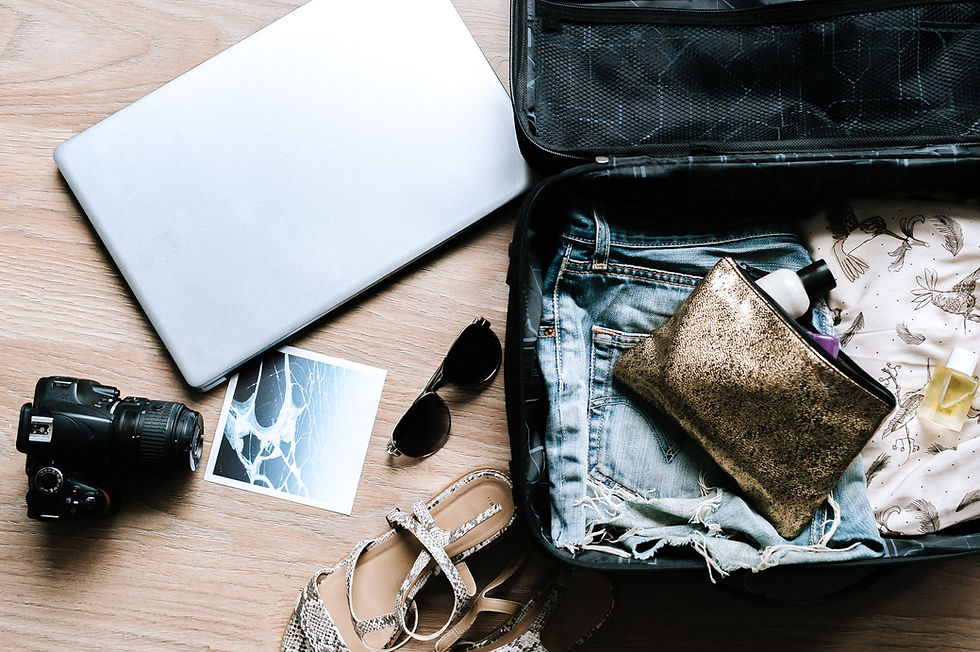
That is why I created – what I call – my “Super Pouch” that can fit under the seat. And this is what I usually keep inside:
Personal care
Hand sanitiser, hand cream
Wet wipes, tissues
Facial spray (water or rose water)
Face cream
Lip balm
Nasal gel and Vicks
Eye drops
Mini deodorant or perfume
Mini toothbrush and toothpaste or chewing gums
Sleep & comfort
Eye mask (optional: warm eye mask)
Travel pillow (optional)
Warm hoodie or sweater
Slippers - I can’t imagine wearing sneakers for 12 hours, or putting my shoes on and off just to use the washroom. Slippers make it easier and more comfortable to move around the plane.
Compression socks
Noise-cancelling headphones - helpful if you have trouble sleeping or get anxious during the flight (my husband swears by them)
Health
Mini first aid kit: painkillers, charcoal, strepsils, melatonin, electrolytes, vitamin C, caffeine-free tea (to soothe my stomach or help me sleep) - I believe that it's better to be safe than sorry.
Tampons or pads - sometimes you just never know…
Essentials
Refillable water bottle
Power bank - the last thing you want is a dead phone after landing when you need to book a cab…
Book and/or laptop - you may get bored, or creative. Why not use this time to do something productive?
Massage ball - small enough to fit in your pouch or luggage side pocket. Use it to roll your feet on the plane, and once you reach your hotel room, you can release some trigger points with it.
It may seem like a lot, but every item has saved me (or my husband) on at least one flight.

2. Before Boarding: Make Your Life Easier
A few small things before boarding can reduce stress:
Keep electronics easy to access for security checks
Remove everything from your pockets, watch, and jewellery and store them in the Super Pouch while crossing the security point
Keep your Super Pouch handy - Once you board the plane, place it under the seat or in the front pocket. This way, you’re set before the plane even takes off.
3. During the Flight: The Key to Surviving Long-haul Flight and Minimising Jet Lag

Limit Caffeine and Alcohol
Alcohol is very dehydrating, and in the already dry cabin air, its effect is much worse. It also makes jet lag more intense.
If you do drink, know your limit and stick to it.
For me, on a 10-hour (or longer) flight, that’s two drinks, maybe three at most — if there are any layovers and I manage to sleep well. I usually choose vodka soda. Wine — especially red — affects me the worst.
Skipping the morning coffee and choosing tea instead also helps prevent dehydration and stomach issues.
For a person with IBS and stomach issues, I really felt the difference once I limited my alcohol intake and skipped caffeine altogether on my flights.
Hydrate (Then Hydrate More)
Speaking of drinking… Water is your best friend on long-haul flights.
The small cups airlines provide are never enough, so bring a refillable bottle. The bigger, the better. Flight attendants are usually happy to refill it.
If you’re flying with an airline that keeps the cabin cold, bring a bottle that can handle hot water. Drinking warm water can be very soothing for the throat and stomach, too.
Don’t Forget Your Skin and Eyes
Using face cream, spray, or hand lotion may seem vain, but your skin dries out badly in the air, too. Moisturising helps you feel fresher and more awake before landing. And nothing feels better than a clean, hydrated face after hours of disrupted sleep in a pretzel position!
Suffering from dry, red eyes or an irritated nose? Use the eye drops or the ointment from your Super Pouch!
Get Plenty of Sleep (but Follow the New Time Zone)

If you’re anything like me and you have a tough time falling asleep anywhere but your bed, I get your struggles. But getting 4-5 hours of poor sleep is still better than zero. Melatonin can help, but remember not to take it too late (and consult your physician before taking any supplements or medication). The last thing you want is to wake up at the destination groggy and half-asleep.
Whenever You’re Awake - Move
You don’t want to annoy your neighbour, but don’t stay seated for hours without moving. Taking a few rounds around the plane every half an hour or so can improve circulation and decrease puffiness. You can use the back of the plane to do some squats, lunges and basic stretches. Bonus points if you wear compression socks; they can be a true game-changer.
4. After Landing: The First 24 Hours
Rehydrate and Refuel
If you didn’t drink enough water on the plane, start now. Electrolytes or vitamin B12 can help if you feel sluggish, and vitamin C can support your immune system after a long journey.
Try to avoid caffeine right after landing!
Follow Local Time
As tempting as it is to collapse, follow the destination’s schedule: If it’s evening – sleep, if it’s daytime – stay awake. To make this easier, plan your sleep on the plane accordingly.
Prioritise Your First Night
Your first night matters. So, if possible, skip partying and alcohol. Focus on recovery. Get proper rest.
If you followed the steps above, there’s a good chance you’ll wake up feeling surprisingly fresh and ready to explore.
5. Days 2–4: Jet Lag Recovery
Even with perfect preparation, jet lag doesn’t disappear overnight.
Here are some tips on how I manage the following days:
Stick to a routine - Wake up, eat, and sleep at local times, even if you feel off.
Get morning light - Spend time outside early in the day. Walk, have coffee in daylight, sit on a balcony. It helps reset your body clock.
Use caffeine wisely - Have it in the morning or early afternoon. Avoid late-day caffeine.
Sleep a little earlier (not too early) - Go to bed slightly earlier if needed, but don’t crash at 7 pm.

A Realistic Take on Jet Lag
Jet lag will probably never disappear completely. Some trips will still feel rough. Some arrivals will still be messy. That’s normal.
But with a few small habits — hydration, movement, smarter sleep, and better preparation — it becomes manageable.
You don’t have to start every trip feeling exhausted.
Give yourself buffer days when you can. Travel slower when possible. Be kinder to your body after long flights.
For me, learning how to travel better has completely changed how I experience new places. I now arrive more present, more energised, and ready to enjoy the journey — not just recover from it.
Want to learn more travel tips? Subscribe and never miss Grumpy Nomad Cat articles!


Comments