
How to Find the Perfect Holiday Accommodation in 5 Steps
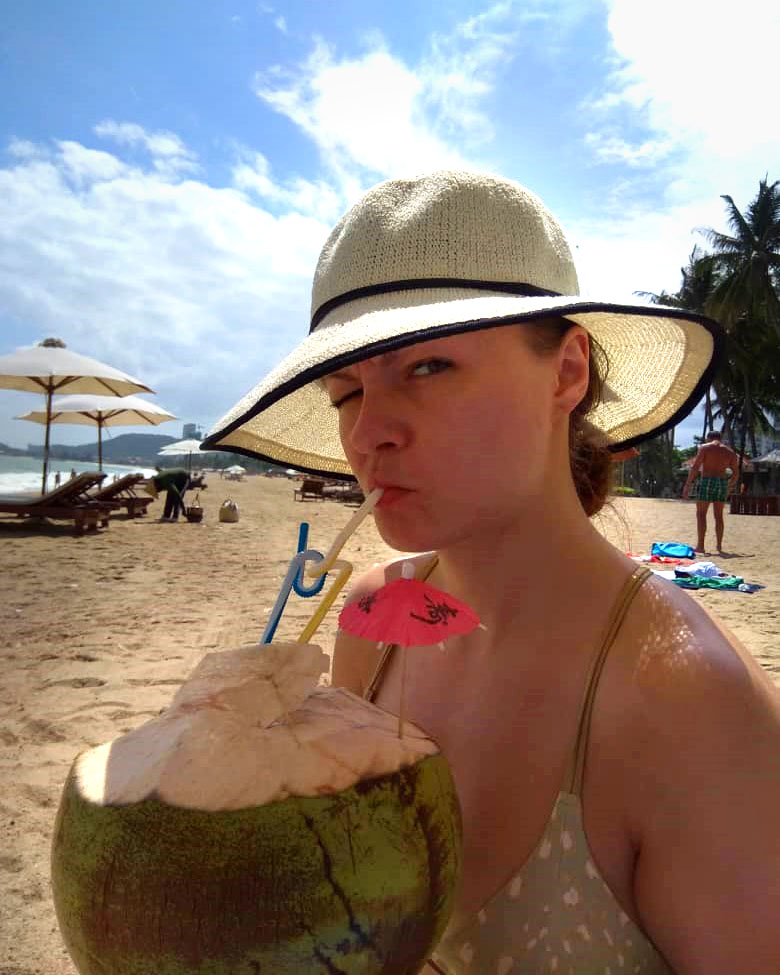
So you don’t end up with a questionable bathroom 😅

When planning a trip, I always follow a few routine steps. Booking a place to stay is usually the first one on my list — very often even before finalising flights. Why? Prearranging a hotel or apartment in advance offers more options, better prices, and more flexibility.
Now the question is: how do you find the perfect holiday accommodation? Here are a few simple tips…
Pick the Booking Platform
I have been using Booking.com for years now, and I highly recommend it. The website (and the app) is user-friendly, and you can filter properties based on your preferences. Most of them offer free cancellation and no prepayment, so you can book your accommodation in advance without worrying that your plans may change.
That said, you can pick any other booking platform you’re familiar with — or even one that you simply like more.
(Grumpy Nomad Cat does not get any commission from Booking.com. At least not yet 🤭)
Choose the Right Location
Staying close to the main attractions is something we all want, but caution is advised. 😅

Being European, to me, “downtown” suggests the city centre — a place you want to be located. But after visiting Los Angeles, I realised that not every downtown has the same meaning. (For those who’ve never visited: in LA, downtown is the last place you’d want to stay. Sorry, LA!)
On the other hand, some places may have two “centres.” For example, in Puerto Vallarta, there is the “Old Town” called Zona Romantica — the most charming place to stay and visit. However, when you look at the map, “Puerto Vallarta” is located slightly further north, closer to Zona Hotelera, where most big hotels and resorts are located.
If you don’t look closely, you may end up booking a place quite far from the zone you’d like to spend most of your time in.
That’s why getting at least a bit familiar with the place you’re planning to visit is essential. Check the location of the main attractions and look for areas that are both walkable and tourist-friendly. You definitely don’t want to be stuck in a two-hour traffic jam just to see one monument.
Use Filters to Narrow Down Your Options
Once you find the zone you’d like to stay in, use the filters provided by the booking platform.
Filters I typically use (based on Booking.com) are:
Must-haves:
Only available properties
My budget per night
Only hotels or only apartments
(Depending on whether I travel with my husband or the entire family. For family trips, I always choose apartments — they’re usually a better value, and we get to spend more time together.)
Very good 8+ / Wonderful 9+
Breakfast included (especially for countries where vegetarian/vegan breakfast is hard to find or restaurants open late)
Free cancellation
No prepayment needed
4 stars / 5 stars
Number of bedrooms/bathrooms – based on the number of people travelling
Non-smoking rooms
Our cozy room with a serene view at Conrad Bali, 2025
Nice to have (but not essential):
Free WiFi
Fitness centre
24-hour front desk (if arriving late)
Balcony / Sea view (mainly for seaside stays)
By now, this should remove a big chunk of places from the list.
Then I usually open the map view to get a better understanding of where the hotels/apartments are located. In a new tab, I open Google Maps to check walkability, nearby attractions, and public transportation (especially in European cities, where trams are often faster and cheaper than taxis).
Check Photos, Descriptions, and Reviews
You should be getting a few steps closer to finding your ideal property by now.
Next, have a good look at the photos. Don’t rely on just one picture — look at as many as you can, and try to imagine the property without beautiful lighting and perfect staging. (Booking sites are incredibly skilled at making rooms look amazing.)
Read the description carefully. Wide-angle lenses can make rooms appear bigger, so always check how many square feet or metres you’re actually getting.
I also like to read comments, just to get a vague idea. I read both good and bad ones and focus mostly on recent reviews. I don’t take them too seriously, though. After years of staying in different hotels and apartments, I’ve learned that not a single place has 100% perfect reviews.
What bothers some people won’t bother others, so don’t overthink it. Instead, look for obvious red flags mentioned repeatedly — no hot water, broken A/C (especially in tropical countries), poor breakfast, and similar issues.

Pro tip: Look closely at the washroom photos. If there aren’t any, that’s a red flag.
Some properties can stage rooms beautifully, but if the building is old or poorly maintained, the washroom will always give it away. I judge most of my stays based on bathroom quality, and I very rarely end up in a place I don’t like.
Compare and Choose the Best Option
By now, some properties probably caught your eye. If you’re using Booking.com, you can add them to your favourites.
Let’s say you’ve narrowed it down to five options. Open all of them in separate tabs. Now ask yourself what you don’t like about each one.
Maybe the location is worse than the others. Maybe the price is through the roof. Maybe the bathroom looks questionable. Maybe some rooms are smaller than others.
Eliminate anything that doesn’t fit your criteria.
You may still end up with two or three options. At that point, it comes down to gut feeling — or your spouse giving you the five-second-rule answer. 😆

How to Find Great Holiday Accommodation Every Time?
For some people, looking for holiday accommodation feels daunting. But with a simple system in place, it really doesn’t have to take much time.
On the contrary, it can actually be fun — look at it as drifting away from reality, getting to know the place you’re about to visit, and taking a mini holiday for your brain!
Want to discover more travel tips? Subscribe and never miss Grumpy Nomad Cat posts!


Comments